Tuscany Horseback Riding
Tuscany Horseback Riding and Wine Tasting
Tours & tickets

Tuscany Horseback Riding and Wine Tasting

Hooves cross the vine rows, glasses meet at the cellar door.

Hand-picked by our editors — only the best 5 experiences from 140 reviewed.

Free cancellation Instant confirmation Mobile voucher Verified partner Book now, pay later
Tickets

Choose your ticket

Verified partners for every tour, free cancellation where available, and instant confirmation on every booking.

Florence: Tuscan Countryside Horseback Ride & Wine Estate Tasting 3 hr
Standard Entry

Florence: Tuscan Countryside Horseback Ride & Wine Estate Tasting

★ 5 (127)
€165
per person
Instant Mobile voucher Flexible — change up to 24h

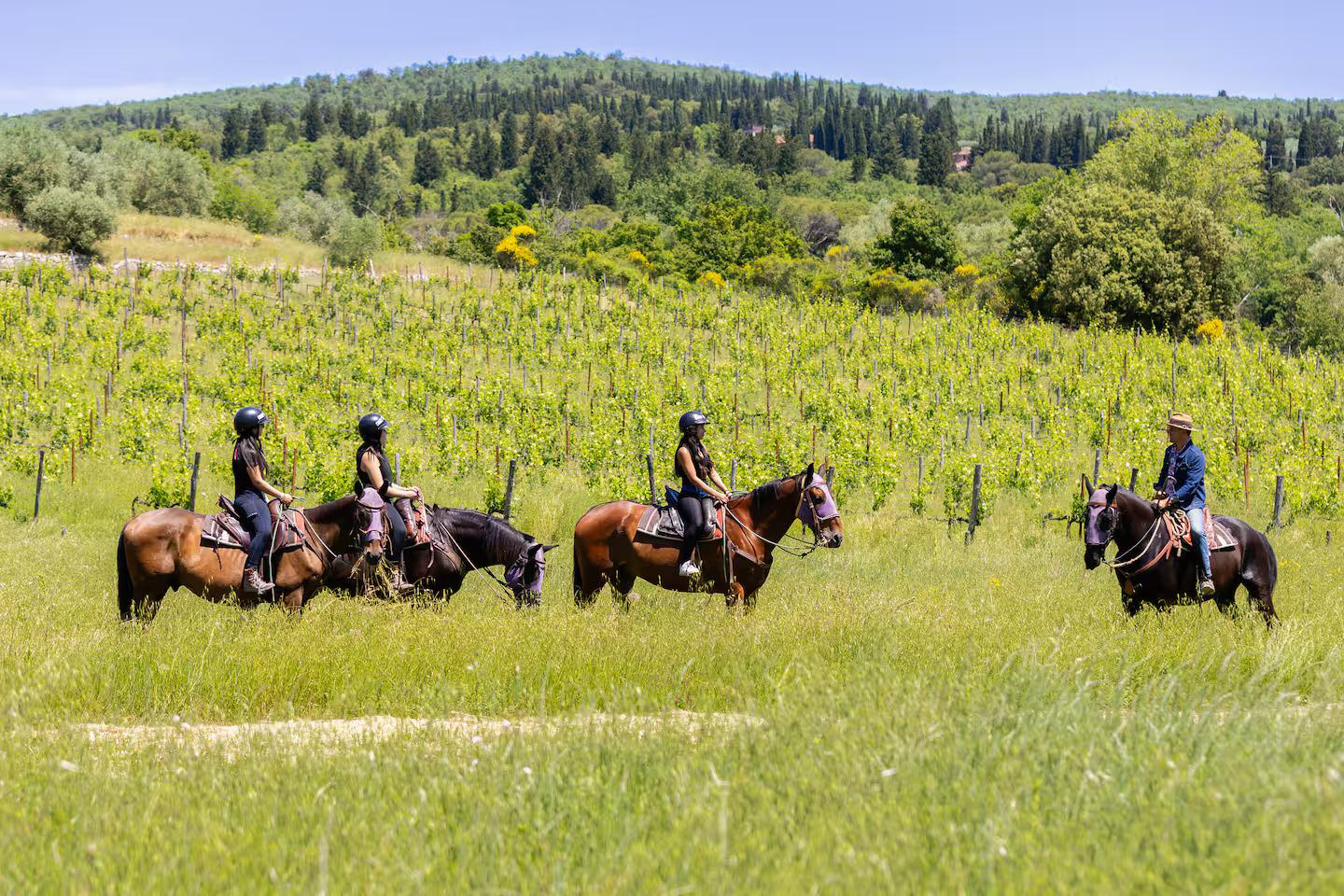
Escape Florence for 3 hours of horseback riding through Tuscany, crowned by a wine tasting at a historic estate.

Reserve
Tuscany Chianti Wine Tour from Florence – Small Group 4 hr 30 min
Guided Experience

Tuscany Chianti Wine Tour from Florence – Small Group

★ 4.9 (4428)
€89
per person
Instant Mobile voucher Flexible — change up to 24h

Ride into the heart of Chianti Classico, tour two legendary estates, and savor six wines paired with Tuscan bites.

Reserve

Prices from verified partners. Availability updates in real time at checkout. Free cancellation policies apply where shown.

Highlights

What you'll see inside the attraction

The landmarks, rooms, and views travelers on this tour remember — all visible on a single visit.

Vineyard Trails

Ride through iconic Sangiovese grape rows which define the landscape of Chianti.

Historic Stables

Learn about local equestrian history and the relationship between horses and farming.

Cellar Caves

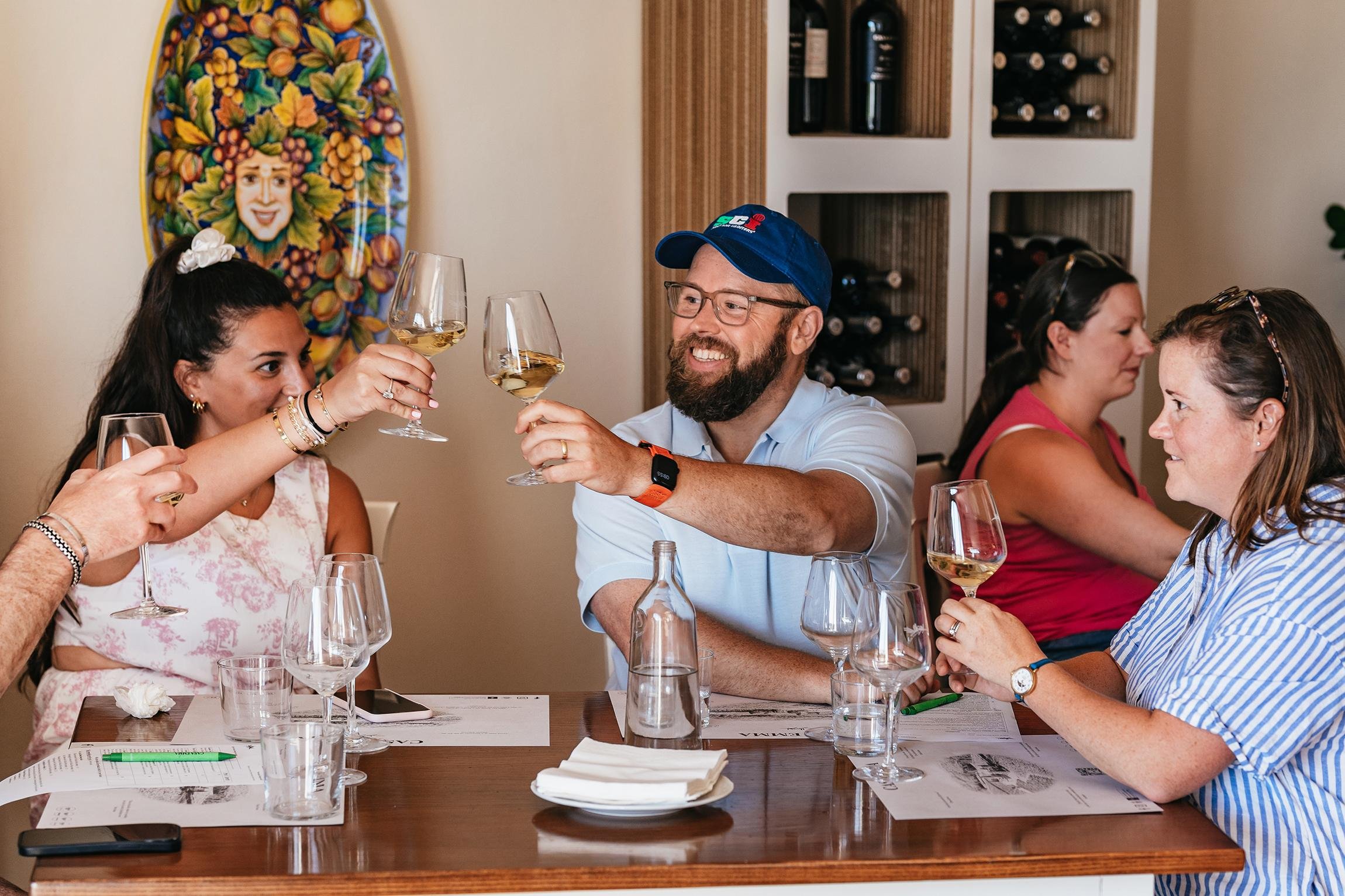
The wine tasting takes place in traditional cellars where temperatures are kept cool naturally.

Panoramic Overlook

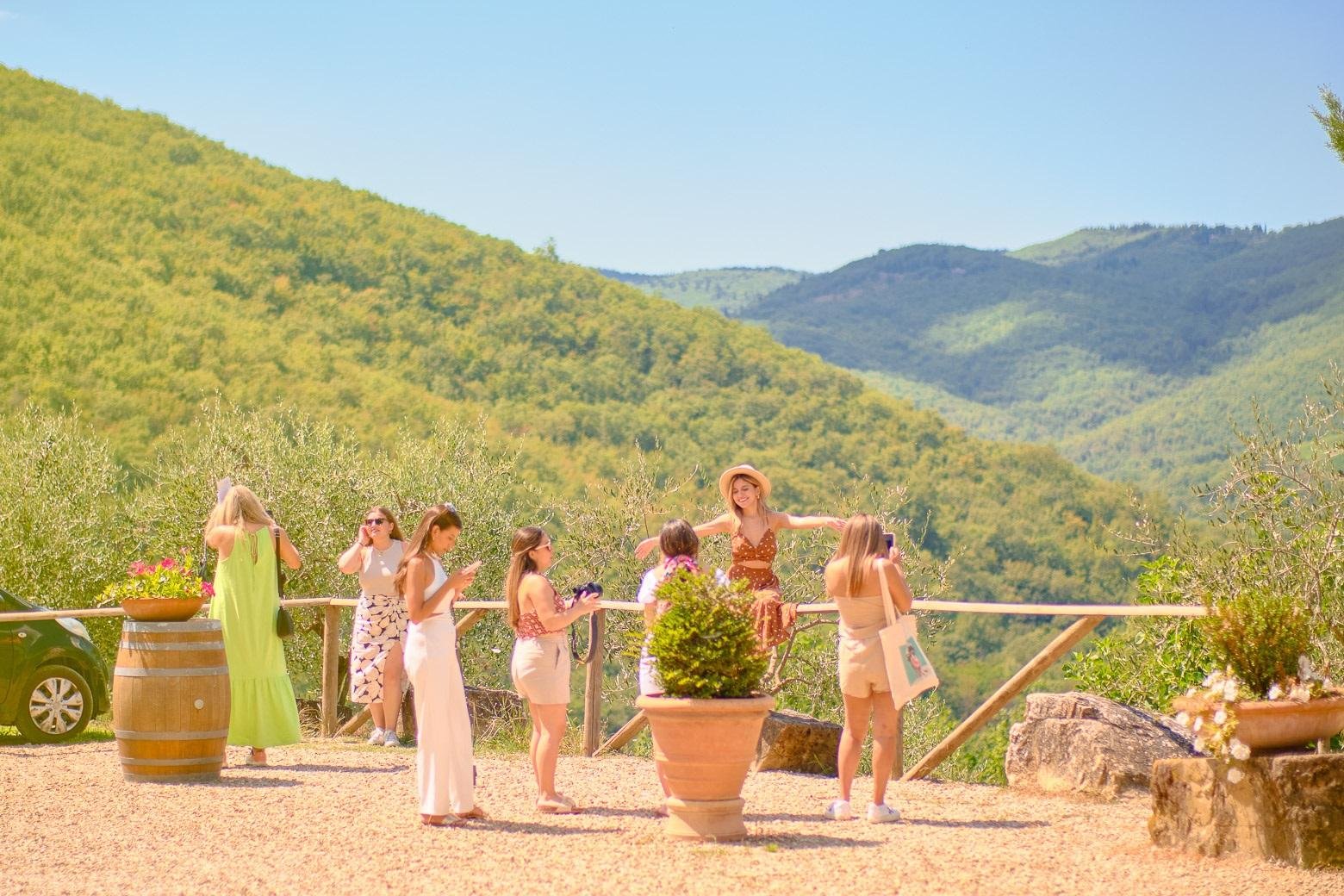
The trails reach elevations that provide views of the rolling Tuscan hills.

Olive Groves

The riding path often winds through centuries-old olive trees adjacent to the vineyards.

Head to head

Tuscany Horseback Riding and Wine Tasting vs. Traditional Vineyard Tours

Tuscany horseback riding and wine tasting offers a dynamic outdoor adventure, whereas traditional vineyard tours provide a more focused exploration of viticulture; most travelers find the former more engaging for active sightseers.

Feature Top pick Equestrian Wine Tours Traditional Vineyard Tours
Physical Activity Level
Sedentary
Educational Depth of Wine
In-depth technical analysis
Landscape Interaction
Estate walking paths
Group Size
Varies significantly
Time Commitment
2–4 hours

Verdict: Choose these tuscany horseback riding and wine tasting tours if you prioritize scenic exploration, or opt for a classic tour to secure deeper knowledge of local viticulture via tuscany horseback riding and wine tasting tickets.

How your ticket works

Book your ticket in 3 steps

  1. 01

    Book online

    Choose your ticket, select your date, and reserve in under two minutes. Secure checkout handled by our verified partner.

  2. 02

    Receive your mobile voucher

    Instant confirmation by email, with a mobile voucher you can save offline. No printing, no queuing at a collection desk.

  3. 03

    Show & enter

    Arrive at the entrance, show your voucher on your phone, and walk in. Most tickets include priority or skip-the-line access.

Around your visit

Everything else worth knowing

Best time to go, insider tips, nearby landmarks, and the cancellation fine print — flip through to skim what matters to you.

Best time to visit

How crowds, weather, and events shift across the year.

Spring

Mild temperatures and green landscapes are ideal for riding. Wildflowers are in bloom, perfect for photography.

Summer

Early mornings are critical to avoid heat. The sunlit vineyards look vibrant during these months.

Autumn

Harvest season offers a unique atmosphere for tuscany horseback riding and wine tasting tours. The air is crisp and comfortable.

Winter

Riding may be limited by weather; check availability for specific tuscany horseback riding and wine tasting tickets.

Helpful tips for your visit

Small details that turn a good visit into a great one.

Hydrate Well

The Tuscan sun is strong during summer months, especially during a tuscany horseback riding and wine tasting session.

Booking Timing

Book your tuscany horseback riding and wine tasting tickets well in advance during peak summer months to secure a morning slot.

Comfort Matters

Wear comfortable pants to avoid chafing against the saddle. Proper attire is essential for your tuscany horseback riding and wine tasting tour.

Capture Light

Plan your tuscany horseback riding and wine tasting experience during the morning window to use the soft light for landscape shots.

Ask Questions

Engage with your guide about the local viticulture during the wine tasting portion of your tuscany horseback riding and wine tasting.

Nearby landmarks

Non-bookable sights within a short walk — free to visit, easy to pair.

Castello di Brolio

15 min

A historic castle with extensive gardens and grounds. Explore the neo-Gothic architecture overlooking the vines.

Badia a Coltibuono

10 min

A former monastery now dedicated to wine production. It features ancient cloisters and beautiful vistas.

Cancellation policy

Flexible, no hidden fees.

Full refunds are typically provided for cancellations made at least 48 hours before the scheduled experience. Since there is a 0 EUR standard gate fee, only the specific tour service costs are subject to refund policies.

Where to stay

Hotels & districts near the attraction

Hand-picked options within walking distance — pick a district for vibe, or a specific hotel for convenience.

Chianti Boutique Hotel

5 min
boutique

Small, family-run inn with vineyard views.

Florence City Center

45 min
district

Wide variety of hotels for those using Florence as a base.

About

The place, in context

The Chianti Classico black rooster was chosen in the fourteenth century as a military emblem, not a wine label. Legend holds that Florence and Siena agreed to settle their long border dispute by horse: two riders would set out at cockcrow, and the line would be drawn where they met. The Florentine cockerel, starved and black, crowed early. The rider left in darkness and covered most of the ground. Whatever the truth of the story, the border it produced still shapes the region, and the horse sits at the centre of it. That pairing of animal and vineyard is not decorative. Until the mid-twentieth century, the mezzadria sharecropping system organised Tuscan farms around the podere, a smallholding worked by one family under a landowner. Horses and oxen moved barrels, ploughed the terraces, and carried the harvest along the strade bianche — the white gravel roads that still lace the hills between Greve, Radda, Castellina and Gaiole. When mezzadria was dismantled after 1945, thousands of poderi were abandoned. Many were bought back in the 1970s and 1980s by estates replanting Sangiovese under the reformed Chianti Classico rules, and the old farm tracks became bridle paths. Today's tuscany horseback riding and wine tasting itineraries follow those same disused service roads. The landscape they cross is unusually legible. Cypress windbreaks mark property lines. Olive groves occupy the thin upper soils; vines take the mid-slope galestro, a friable schist that drains fast and stresses the fruit productively. Stone farmhouses sit at the ridge, positioned for defence and drainage rather than for views. Further south, beyond Siena, the terrain opens into the Crete Senesi — bare clay hills, pale grey, almost lunar in August, dotted with the biancane mounds that erosion has left behind. Wine and landscape are documented together here more thoroughly than almost anywhere in Europe. Cosimo III de' Medici's edict of 1716 defined the boundaries of Chianti, Pomino, Carmignano and Val d'Arno di Sopra, making them among the first legally delimited wine zones on the continent. Baron Bettino Ricasoli's 1872 formula fixed the Sangiovese-led blend that governed the region for a century. The 1996 revision permitted Chianti Classico to be made from Sangiovese alone, and the 2014 Gran Selezione tier tied top bottlings to single estates. The cellars visited on a tuscany horseback riding and wine tasting tour are working expressions of that legal history: vaulted barricaia rooms, concrete fermenters, vin santo lofts under the eaves. Why it matters now is straightforward. The vineyard is not a backdrop to the ride and the ride is not a preamble to the glass — both trace the same medieval geometry. Small-group operators run these routes from Florence and from the Sienese hills, and tuscany horseback riding and wine tasting tickets are sold as single half-day or full-day units rather than as separate excursions. The horse restores the pace at which this country was designed to be read.
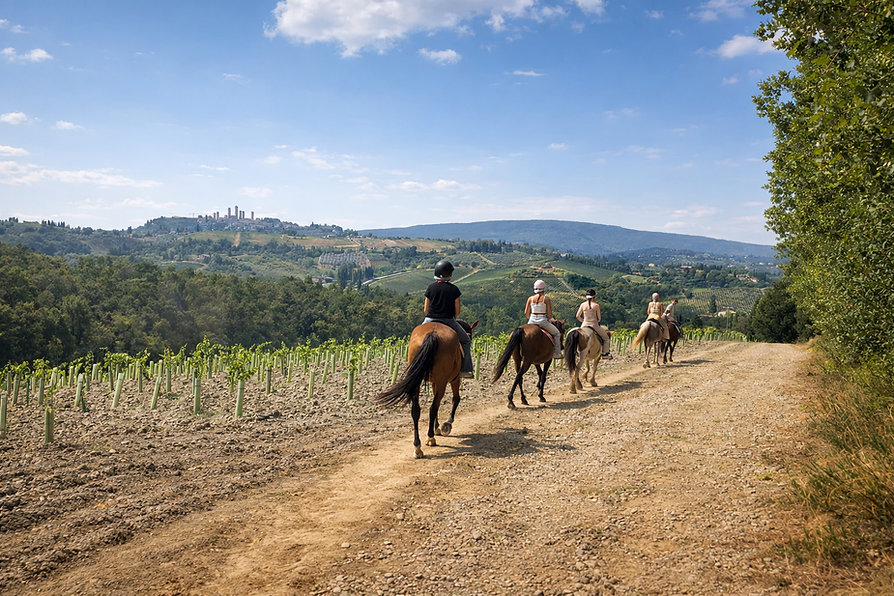
"The vineyard is not a backdrop to the ride, and the ride is not a preamble to the glass."
Frequently asked

Frequently asked questions about tuscany horseback riding and wine tasting tours

How do I book my tuscany horseback riding and wine tasting tickets?

You can secure your tuscany horseback riding and wine tasting tickets online through our authorized booking platform.

What should I wear for my tuscany horseback riding and wine tasting?

Wear long trousers and closed-toe shoes to ensure safety during your tuscany horseback riding and wine tasting.

Can I bring my own camera for tuscany horseback riding and wine tasting?

Yes, cameras are encouraged to document your tuscany horseback riding and wine tasting experience.

What is the cancellation policy for tuscany horseback riding and wine tasting?

Cancellations made at least 48 hours in advance are eligible for a refund of the tour fee.